
Goods and Services Tax (GST) was introduced in India in July 2017 as an indirect, multi-staged tax. It integrated cascading taxes imposed at the federal and state levels into a single taxing regime. GST aims to redesign the old complex tax structure and address issues like tax evasion, economic distortions, and boosting exports.
The GST had one of the main goals, which was to support the sustainable development of India by solving the problems of environmental contamination, climate changes, natural resource depletion and so on. Before GST, businesses faced numerous exemptions, a variety of tax rates, and issues related to tax cascading, particularly for environment-oriented goods and services.
The goal of GST was to standardize the taxation approach regarding various green products and services in order to incentivize sustainable consumption of resources and improve overall environmental care.
This article analyzes the impact of GST on environmental sustainability in India. It discusses GST rates and provisions related to crucial environmental areas like renewable energy, waste management, green products and innovation. The analysis evaluates how GST affects prices, consumption, compliance costs and incentives across the environmental sector. Recommendations are provided for using GST to drive India’s transition towards a greener economy.
Table: GST levied on environmental services
Lower GST rates have helped municipalities provide cheaper waste management for citizens by reducing vendor costs. This has accelerated the pace of scientific waste disposal systems adoption across towns and cities, curbing open dumping’s environmental harms. However, higher GST on consultancy services increases compliance costs for industries mandated to conduct environmental impact studies or audits.
There is upside potential in enhancing affordable access to integrated environmental services under GST by rationalizing rates, providing input tax credits and streamlining procedures. This can drive greater adoption of scientific waste disposal, pollution testing/remediation and management consultancy services nationwide.
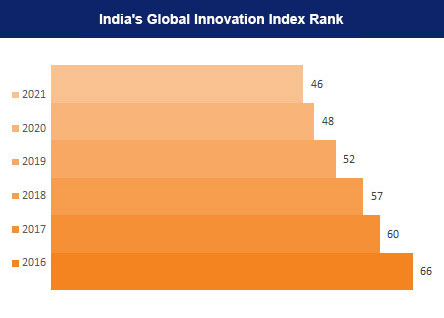 GST has facilitated more incredible environmental innovation and entrepreneurship by enabling startups to avail of tax incentives. All green technology startups helping recognized incubation benefits can claim GST exemption on angel/VC funding received. Further, GST laws permit new ventures to claim input tax credits on business costs during the crucial prototyping/testing stages, even before revenue generation.
Multiple central and state-level taxes, cumbersome procedures and compliance overheads posed financial hurdles for green startups. GST has streamlined and simplified indirect taxes to improve access to capital. A lower 18% GST also applies to R&D outsourcing services, helping startups collaborate better with research institutes to develop sustainable solutions.
However, specialty chemicals or sensor equipment imported for prototyping innovative green products still attract import duties with limited exemptions. Complex classification guidelines also pose challenges for startups launching new products/services to determine applicable GST rates correctly.
GST has facilitated more incredible environmental innovation and entrepreneurship by enabling startups to avail of tax incentives. All green technology startups helping recognized incubation benefits can claim GST exemption on angel/VC funding received. Further, GST laws permit new ventures to claim input tax credits on business costs during the crucial prototyping/testing stages, even before revenue generation.
Multiple central and state-level taxes, cumbersome procedures and compliance overheads posed financial hurdles for green startups. GST has streamlined and simplified indirect taxes to improve access to capital. A lower 18% GST also applies to R&D outsourcing services, helping startups collaborate better with research institutes to develop sustainable solutions.
However, specialty chemicals or sensor equipment imported for prototyping innovative green products still attract import duties with limited exemptions. Complex classification guidelines also pose challenges for startups launching new products/services to determine applicable GST rates correctly.
GST and Environmental Goods
Environmental goods refer to products that benefit the environment or enable environmental protection. Key examples include renewable energy equipment like solar panels, clean fuels like biodiesel, energy-efficient appliances, organic agriculture products, eco-friendly vehicles, etc. Under GST, the tax rates on most environmental goods are 5% or 12%, which lower the previous combined central and state tax rates. For example, the GST rate on electric vehicles is 5%, compared to the previous rates exceeding 20% in some states. Solar power generation systems and biodiesel also attract 5% GST versus earlier excise duties of over 10%. Such lower tax rates under GST reduce costs for suppliers, and they pass these savings on as lower prices for consumers. Affordable pricing and rising environmental awareness are driving rapid growth in adopting environmental products. India’s electric vehicle market is projected to expand at a 40% annual growth rate to hit 6-7 million units by 2025. Solar power capacity has multiplied 4X from 2014 to achieve over 60 gigawatts. However, complex GST procedures related to input tax credits, registration requirements, invoicing, etc., have increased compliance costs for environmental goods manufacturers. Frequent changes in product classification and tax slabs have also created uncertainty. For smaller green entrepreneurs facing slim margins, such procedural complexities can affect market competitiveness vis-à-vis conventional offerings. Overall, though, lowered GST rates have successfully stimulated demand for eco-friendly goods. There is significant potential to further this positive impact by rationalizing rates between conventional and environmental options, simplifying procedures and enhancing policy stability.GST and Environmental Services
Environmental services refer to activities that measure, prevent/limit, minimize or correct environmental damage or maintain and restore natural resources. Key examples include waste management services, sewage/sanitation services, pollution testing/remediation, environmental consultancy, etc. Under GST, authorities have taken a differentiated approach to taxing environmental services. Sewage, sanitation and hazardous waste management services attract a lower GST rate of 5% compared to 18% previously, making these essential services more affordable. In contrast, pollution testing attracts a higher 18% GST rate versus 15% earlier. Environment impact assessment, auditing and related consultancy services also fall under the 18% tax slab.| Environmental Services | GST Rate (as of 2021) |
| Renewable Energy Services | 5% |
| Afforestation Services | 5% |
| Solar Power Generation | 5% |
| Waste Collection and Disposal Services | 18% |
GST and Environmental Compliance
Environmental regulations in India govern various aspects like industrial/vehicle emission norms, forestry clearances, toxin discharge limits, biodiversity conservation mandates, etc. Regulated entities require compliance audits, impact assessment studies, pollution testing, clearance certificates, etc., for which they pay fees and environmental cess. GST subsumes various cess and surcharges levied earlier by central and state agencies for such environment regulatory functions. For instance, GST has absorbed the clean environment cess previously imposed on coal transportation. However, it retains a standalone environmental cess like the one funding the National Clean Energy Fund. It also continues special additional excise duties for funding state pollution control boards. By consolidating cess/surcharges related to environmental regulations under GST, there is clarity on applicable tax rates, which aids compliance. But multiplicity continues due to standalone cess/duties that remain outside GST’s ambit. There are also disputes regarding utilizing input tax credits under GST for discharging regulatory fees/cess. Further rationalization of environmental tax components can simplify compliance and oversight mechanisms.GST Impact on Environmental Sustainability
The GST regime has crucial cost implications for environmental goods, services, regulations, and compliance requirements. Thereby, it inevitably impacts sustainability across multiple dimensions:-
Consumption Choices:
By altering relative prices, GST can shift consumption patterns towards eco-friendly goods and away from polluting products. For instance, lower taxes on electric vehicles can accelerate their adoption, while higher taxes on fossil fuels discourage consumption.
-
Resource Efficiency:
GST can be adjusted to make environmental services more affordable, leading to higher utilization and enhanced resource efficiency. For example, lower taxes on water treatment or waste management services can expand their usage, enabling improved water conservation, reuse and material recycling as opposed to fresh resource extraction. This builds circular economy principles.
-
Pollution Abatement:
GST has increased costs of pollution control equipment and environmental compliance, with implications for ecological outcomes. Higher taxes constrain investments in advanced treatment technology adoption beyond mandated pollution norms.
-
Environmental Innovation:
GST has mixed influences on environmental innovation by affecting relative prices. While higher taxes on some green technologies like solar panels can inhibit adoption, exemptions or lower rates on emerging solutions like waste-to-energy, green hydrogen, bioplastics, or green buildings can accelerate research, innovation and diffusion. Balancing GST rates is essential.
-
Governance and Accountability:
GST has increased prices for environmental regulatory compliance tools like audit devices, monitoring stations, and emission quantification equipment. This constraints procurement by environmental agencies like pollution control boards for enforcement. Conversely, lowering taxes can improve environmental governance by enabling modern oversight.
GST and Environmental Innovation
Environmental innovation refers to new ideas, technologies, processes or products that reduce negative environmental externalities or enhance natural resource efficiency. For instance, innovations like air/water pollution sensors, microbial bioremediation techniques, hydroponic farming solutions, etc.
GST has facilitated more incredible environmental innovation and entrepreneurship by enabling startups to avail of tax incentives. All green technology startups helping recognized incubation benefits can claim GST exemption on angel/VC funding received. Further, GST laws permit new ventures to claim input tax credits on business costs during the crucial prototyping/testing stages, even before revenue generation.
Multiple central and state-level taxes, cumbersome procedures and compliance overheads posed financial hurdles for green startups. GST has streamlined and simplified indirect taxes to improve access to capital. A lower 18% GST also applies to R&D outsourcing services, helping startups collaborate better with research institutes to develop sustainable solutions.
However, specialty chemicals or sensor equipment imported for prototyping innovative green products still attract import duties with limited exemptions. Complex classification guidelines also pose challenges for startups launching new products/services to determine applicable GST rates correctly.
Renewable Energy Technologies
- While solar panels and modules have seen increased tax rates under GST, other renewable energy technologies like solar trees, solar pumps, small hydropower plants, wind energy storage devices, biogas plants, and biomass-based power equipment are exempted. This promotes innovation and adoption.
- However, advanced biofuel technologies producing green hydrogen, biodiesel, bioethanol, bio-CNG, etc., from agricultural residues and municipal waste attract 18% GST. This inhibits innovation.
Waste-to-Energy Equipment
- Incineration plants supplying electricity generated from municipal solid waste to distribution companies are charged 5% GST versus 14.5% excise duty earlier. This facilitates innovation.
- However, proprietary pyrolysis, gasification, and plasma technologies supplied to industries for energy recovery from hazardous waste attract 18% GST. This hampers technology innovation and transfer.
Green Buildings and Construction Materials
- Doors, windows, and paneling materials made from agro waste like bagasse, bamboo, straw, and coconut shells used in green buildings have been exempted from GST compared to the 12.5% excise duty earlier. This promotes eco-friendly infrastructure.
- However, specialized green building design software, 3D modeling tools, and energy performance assessment apps designed for LEED/GRIHA-compliant structures attract 18% GST, raising costs. This inhibits advanced green infrastructure innovation.
Conclusion
The GST regime in India has had varied cost consequences for environmental goods, services, regulations, and technologies which impact sustainability outcomes. While GST has reduced taxes on items like biofuels, CNG vehicles, organic composts, and municipal waste treatment services, it has increased rates on solar equipment, water treatment services, pollution abatement infrastructure, environmental compliance tools, and emerging green technologies. This creates contradicting incentive mechanisms across green product categories. Going ahead, strategic deployment of GST taxation powers can potentially promote eco-friendly consumption choices, resource efficiency, pollution reduction, environmental innovation and governance on a national scale through appropriate tax exemptions, rate rationalization and incentivization of key green offerings ranging from electric mobility and organic food to waste management services and renewable energy technologies. Thus, GST can be transformational in driving India’s sustainability transition and building competitive advantage in the global green economy. Further research can analyze international best practices on leveraging taxation for ecological sustainability and recommend a coherent green tax framework for India encompassing GST, carbon pricing, export incentives on environmental technologies, and community-led sustainability initiatives. Additionally, sector-specific studies evaluating GST adjustments required to boost sustainability in major polluting industries like mining, textiles, petrochemicals, automobiles, etc. will be precious. Robust green taxation policies and reforms can put India firmly on the path towards a resilient, low-carbon circular economy. Also Read: How Does GST Impact The Service Sector? Also Listen: How to create E-way Bill With CaptainBizFAQs
-
How does GST impact the prices of environmental goods and services?
-
How does GST affect the adoption of renewable energy technologies?
-
How does GST influence organic farming and products?
-
How does GST impact electric mobility adoption?
-
How does GST affect municipal solid waste management services?
-
How does GST influence air and water pollution abatement?
-
How does GST impact environmental compliance and governance?
-
How does GST affect innovation in green technologies?
-
How can GST rates be strategically deployed to drive sustainability?
-
What complementary policies are needed along with GST for ecological stability?
