
Introduction
The place of supply is the location of the recipient of goods, and determining it is a crucial aspect of modern commerce. It influences not only taxation but also regulatory compliance and logistical strategies in a business. In India, GST (Goods and Services Tax) is the taxation system that is followed across the nation. According to GST, the place of supply is the recipient’s location of the goods or services. GST is a destination-based tax, meaning that the state where the goods and services are consumed will be allowed to levy tax, not the state from which the supply was made.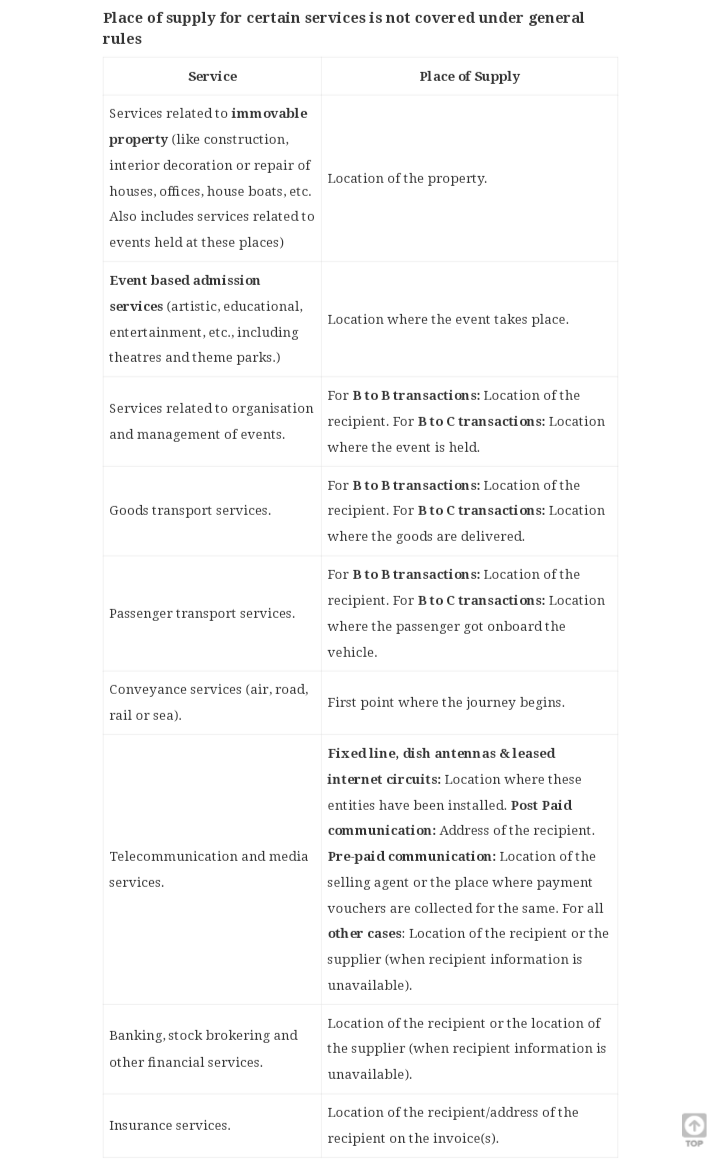 https://www.zoho.com/in/books/gst/what-is-place-of-supply-under-gst.html#:~:text=Place%20of%20Supply%3A%20In%20most,different%20for%20goods%20and%20services.
It is important to know the place of supply for High-Value, perishable, and specialized products. Under GST in India, high-value products face problems for accurate valuation, while perishable goods may enjoy exemptions for efficient trade, and specialized products require tailored considerations in the determination of the “Place of Supply.” So, here we are with this article to dive into the details of the place of supply for High-Value, perishable, and specialized products and their importance.
https://www.zoho.com/in/books/gst/what-is-place-of-supply-under-gst.html#:~:text=Place%20of%20Supply%3A%20In%20most,different%20for%20goods%20and%20services.
It is important to know the place of supply for High-Value, perishable, and specialized products. Under GST in India, high-value products face problems for accurate valuation, while perishable goods may enjoy exemptions for efficient trade, and specialized products require tailored considerations in the determination of the “Place of Supply.” So, here we are with this article to dive into the details of the place of supply for High-Value, perishable, and specialized products and their importance.
High-Value Goods Place of Supply
Under our country’s taxation system, GST, there is no category called “High-Value goods.”. This term is quite subjective and might be used to refer to goods of significant value in terms of money. The place of value for High- High-value goods is simply the location of the recipient of the goods. The place of supply helps in determining the applicable GST rate and jurisdiction for taxation. For high-value goods, this is particularly important. Here is a simple elaboration of the High-Value Goods Place of Supply:-
Goods with Movement:
-
Goods without Movement:
-
Interstate vs. Intrastate Transactions:
-
Documentation and Compliance:
-
Cross-Border Transactions:
Perishable Goods Transaction Location
First of all, we need to know what perishable goods are. So, as the name suggests, these are the items that have a limited shelf life. These are goods that are simply prone to decay or spoilage within a short period of time. Thus, it affects the GST taxation procedure, as nature may impact aspects like logistics, storage, and transportation. The applicable GST rates for perishable goods would depend on their transaction location.-
Climate-Controlled Storage:
-
Proximity to Suppliers:
-
Transportation Infrastructure:
-
Ownership or Control Transfer:
-
Technology Integration:
Place of Supply for Specialized Products
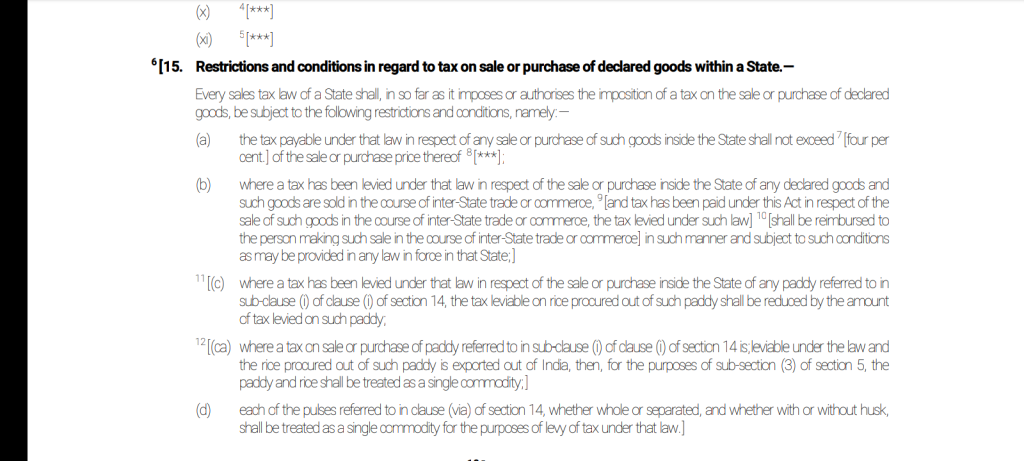
Under our nation’s taxation system, GST, specialized products fall under the category of “declared goods.” These are the goods that are considered of special importance throughout the country or in a specific state. Examples of these specialized products can include certain agricultural products, essential commodities, and items crucial for the economy.
 https://www.google.com/url?sa=t&source=web&rct=j&opi=89978449&url=https://www.indiacode.nic.in/bitstream/123456789/15258/1/3_cst_act_central_sales_tax_act_1956.pdf&ved=2ahUKEwjorrGA4ICDAxWqUGwGHYQGC6UQFnoECBAQBg&usg=AOvVaw1uZ7MGsLmjQTYaF4dmhwXv
Generally, these goods have uniform tax rates across states to promote a seamless and efficient national market. But still, it’s essential to know the place of supply for specialized products.
https://www.google.com/url?sa=t&source=web&rct=j&opi=89978449&url=https://www.indiacode.nic.in/bitstream/123456789/15258/1/3_cst_act_central_sales_tax_act_1956.pdf&ved=2ahUKEwjorrGA4ICDAxWqUGwGHYQGC6UQFnoECBAQBg&usg=AOvVaw1uZ7MGsLmjQTYaF4dmhwXv
Generally, these goods have uniform tax rates across states to promote a seamless and efficient national market. But still, it’s essential to know the place of supply for specialized products.
-
Declared Goods Category:
-
Customization Impact:
-
Mobility Consideration:
-
Consumer Location:
-
Professional Advice:
GST on High-Value Goods
The High-Value goods have GST levied based on the applicable tax slab. These are the goods that include luxury items, premium electronics, and certain demerit goods. Such goods are often categorized under higher tax rates, like 18% or 28%. The taxation system, which considers such distinctions in the applicable tax slab, generates revenue while ensuring a fair distribution of the tax burden on goods with higher value.-
Tax Slabs:
-
Luxury Items:
-
Demerit Goods:
-
Categorization Criteria:
-
Revenue Generation:
Specialized Goods Taxation Place
As is already known, GST is a destination-based tax. Thus, a specialized goods taxation place is the location where unique or specialized products are considered to be consumed or utilized. The taxation place for specialized goods will make you understand the applicable tax jurisdiction. It will also ensure the compliance with relevant laws governing these distinct products.-
Product Characteristics:
-
Mobility Consideration:
-
Customization Impact:
-
B2B and B2C Distinctions:
-
Legal Framework:
Conclusion:
In conclusion, understanding the place of supply for specific categories of goods—be it high-value items, perishable goods, or specialized products—is crucial in the taxation procedure of our country, i.e., GST. As we observed, the taxation dynamics are very different for each category. This can be observed with high-value goods attracting different rates and considerations while perishable goods are influenced by transaction locations, and on the other hand, specialized products have distinct criteria. These categories are important in business operations, including the impact on pricing, legal compliance, and the role of unique features. Businesses are constantly engaged in transactions. When these transactions involve high-value or specialized goods, it becomes important to stay informed, seek professional advice, and adapt to the ever-evolving GST regulations to ensure seamless compliance and strategic financial management.Frequently Asked Questions (FAQs)
-
What are high-value goods?
-
What kinds of products fall under high-value goods?
-
What are perishable goods?
-
What are specialized goods?
-
Under which category do specialized goods fall?
-
Why is a place of supply important in the GST taxation procedure?
-
What is the GST applied on high-value goods?
-
What are a few conditions that must be met while choosing a perishable goods transaction location?
-
What is the importance of legal compliance in the context of specialized goods taxation?
-
What are demerit goods?